
SOVAA PT SOVAA KARYA INDONESIA
The Melbourne commercial and residential dining sector represents one of the most sophisticated furniture procurement markets in the Southern Hemisphere. Driven by rapid urban renewal in the Melbourne CBD, sprawling hospitality expansions throughout Southbank, Docklands, and Fitzroy, as well as premium residential developments along the Mornington Peninsula, the demand for high-durability, aesthetically compliant dining seating has reached unprecedented levels. For Australian interior designers, commercial furniture wholesalers, project developers, and hospitality procurement managers, sourcing directly from top-tier Chinese dining chair OEM/ODM manufacturers provides an unmatched strategic advantage in cost-efficiency, material scalability, and architectural customization.
However, navigating China's vast industrial manufacturing clusters—ranging from Foshan’s upholstered furniture hubs to Dongguan’s precision solid wood facilities—requires deep technical insights into trade compliance, structural engineering, and localized environmental conditions. Melbourne's climate presents distinct challenges: seasonal humidity shifts necessitate precision kiln-drying of timber to prevent warping, while commercial hospitality environments demand strict adherence to Australian & New Zealand Standards (AS/NZS 4688 for commercial seating). This whitepaper provides architectural specifiers and institutional buyers with a complete roadmap for auditing factories, ensuring structural integrity, navigating customs compliance under ChAFTA, and securing optimized supply chains from elite Chinese exporter manufacturing plants.
Below are eight flagship product lines engineered in our production plants. Built using advanced structural joinery, eco-certified timber, and high-performance commercial upholstery, these series represent the gold standard for global hospitality, office, and residential exports to Melbourne.
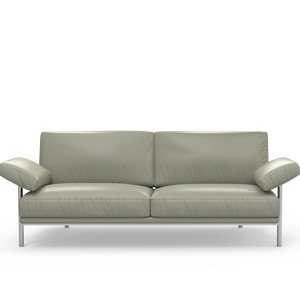
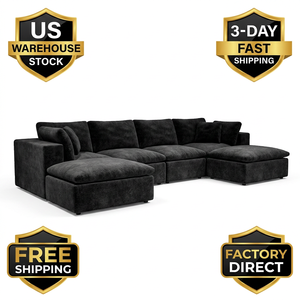
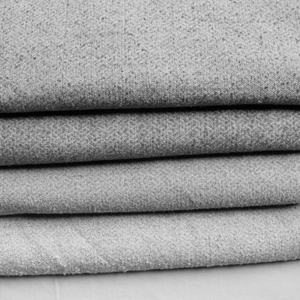
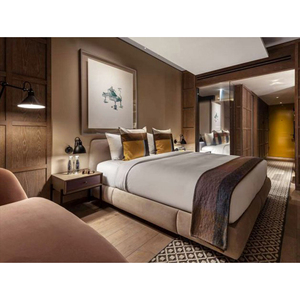
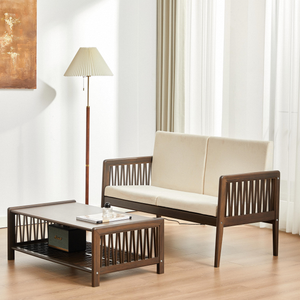
Melbourne’s architectural landscape spans diverse urban typologies—from heritage Victorian storefronts repurposed into high-end cafes, to sleek industrial-chic dining halls in Richmond, and luxury multi-residential developments in Southbank. Each environment imposes unique mechanical and aesthetic demands on dining seating.
Melbourne's iconic cafe culture demands seating that withstands high-turnover daily wear without sacrificing design flair. Dining chairs specified for suburban heritage builds in Fitzroy feature heavy-duty stain-resistant chenille upholstery and solid oak frames treated with matte polyurethane coatings. These finishes resist coffee spills, UV fading from sunlit window seats, and constant scraping against polished timber floors.
Modern apartment developments require compact, highly functional dining seating that maximizes spatial efficiency. Our factories supply slim-profile, stackable metal-frame dining chairs with acoustic dampening feet. Designed specifically to reduce noise transmission across hard surface flooring in high-rise towers, these units undergo 100,000-cycle structural fatigue testing to ensure decade-long operational life.
Exposed coastal dining zones along Port Phillip Bay experience salt air corrosion and rapid temperature fluctuations. We export dining chairs engineered with marine-grade 316 stainless steel or powder-coated aluminum frames paired with quick-dry reticulated foam under outdoor-grade solution-dyed acrylic upholstery, resisting mildew and salt-crust accumulation.
Procuring commercial furniture for the Australian market requires total alignment with both emerging interior design movements and rigorous state and national regulatory standards. Importers who fail to account for structural certifications or biosecurity protocols risk costly customs holds at the Port of Melbourne or liability claims in commercial installations.
Commercial furniture deployed in public venues across Victoria must comply with AS/NZS 4688 (Furniture - Fixed height chairs). This standard evaluates strength, stability, and durability across four capability levels (ranging from light domestic to heavy commercial). Direct factory customization allows us to reinforce joint construction—utilizing deep mortise-and-tenon joints secured with non-toxic epoxy adhesives—ensuring chairs pass Level 4 and Level 6 severe commercial use certifications.
The Australian Department of Agriculture, Fisheries and Forestry (DAFF) strictly monitors timber imports to prevent pest introduction. Solid wood dining chairs exported from China must undergo certified kiln-drying or heat treatment (HT) under ISPM 15 guidelines. Our factories issue official Phytosanitary Certificates and treatment attestations, ensuring rapid green-lane clearance upon container arrival at Swanson Dock or Victoria Dock.
For Melbourne procurement specialists, distinguishing between high-capacity direct manufacturers and third-party trading intermediaries is critical to maintaining margin control and brand reputation. The matrix below outlines key operational differences when sourcing dining seating.
| Evaluation Benchmark | Direct OEM/ODM Exporter Factory | Third-Party Trading Company | Local Australian Distributor |
|---|---|---|---|
| Unit Price Advantage | Direct factory floor pricing (40-60% savings) | 8-15% middleman markup applied | High overhead markup (200-300% retail margin) |
| Customization Depth | Complete CAD engineering, custom wood/fabric finishes | Limited to pre-existing standard catalog items | Restricted to stock-on-hand range |
| Quality Control Transparency | In-house QC gates (raw material to final packing) | Intermittent outsourced inspection agents | Relies on overseas supplier checks |
| Compliance Documentation | Direct issue of AS/NZS, AFAS & FSC test reports | Secondary paperwork (often delayed) | Pass-through certs (already factored into price) |
| Confidentiality (NDA Protection) | Strict client design IP protection & dedicated molds | High risk of design leak to competing buyers | N/A (Standard off-the-shelf items) |
Combining product engineering, timber treatment, fabric upholstery, and international export management under one roof, our dual manufacturing facilities act as the extended production arm for Australian furniture retailers, commercial interior specifiers, and hotel procurement teams.
Operating two modern facilities since 2015, accommodating large-scale commercial container runs alongside specialized custom hotel fit-outs.
Raw timber kiln drying, metal fabrication, CNC routing, precision foam cutting, and hand-stitching unified under single-management oversight.
Proprietary custom designs developed for individual Australian buyers remain strictly protected with guaranteed zero market leakages.
Clear answers to essential operational, legal, and logistic questions asked by Australian furniture buyers during factory negotiations.
Connect with our senior engineering and export management team today. Request our technical catalogs, schedule factory audits, or initiate custom sample prototyping for your next Melbourne hospitality or commercial development project.
Inquire Now