Evaluating China’s Best Tufted Sofa Manufacturers for the New Zealand Market
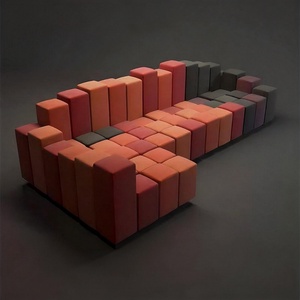
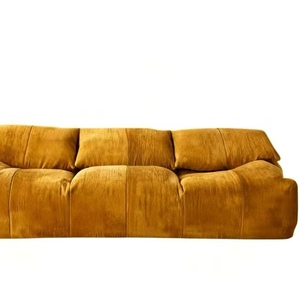
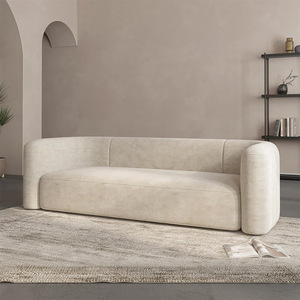
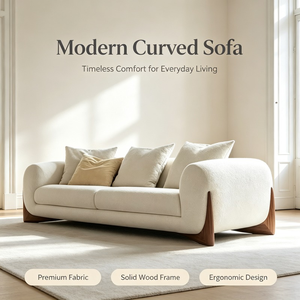
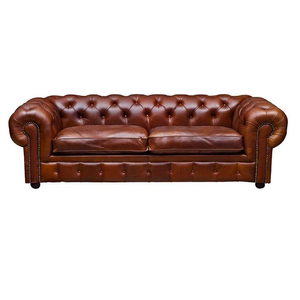
The furniture retail and commercial contract market in New Zealand has experienced a structural shift over the past decade. As urban intensification projects reshape metropolitan centers like Auckland, Wellington, and Christchurch, procurement managers, interior architects, and furniture importers are seeking manufacturing partners capable of delivering exceptional aesthetic value, uncompromised structural integrity, and rigorous biosecurity compliance. Among all upholstered furniture categories, the tufted sofa—ranging from classic British Chesterfield leather designs to contemporary Italian piano-key modular sectionals—remains one of the highest margin and most sought-after inventory lines.
However, sourcing tufted sofas directly from China for the New Zealand market requires far more than aesthetic evaluation. New Zealand’s unique geographical isolation, strict Ministry for Primary Industries (MPI) biosecurity protocols, intense ultraviolet radiation exposure, and specific consumer preferences demand a deep technical understanding of frame treatment, cushion foam resilience, fabric lightfastness, and shipping compression ergonomics. This whitepaper serves as a definitive B2B sourcing guide, detailing how leading Chinese sofa manufacturers design, build, and deliver premium tufted seating tailored explicitly to NZ market demands.
1. Market Dynamics & Localized Application Scenarios Across New Zealand
New Zealand’s architectural landscape is remarkably diverse, spanning high-density modern urban apartments to expansive coastal retreats and heritage character villas. Understanding these localized application micro-contexts is vital for B2B buyers curating retail catalog lines or executing commercial hospitality fit-outs.
2. Technical Standards & Material Engineering for NZ Quality Compliance
To establish true competitive advantage (Information Gain), B2B buyers must understand the internal engineering of premium tufted furniture. A poorly constructed tufted sofa will show sagged buttons, loose fabric, and frame creaking within 12 months of deployment. Below are the key manufacturing specifications executed in our production plants to ensure decades of performance:
- Biosecurity & Frame Kiln-Drying (MPI Compliance): New Zealand’s Ministry for Primary Industries strictly regulates wooden furniture imports to prevent pest invasion (such as the Asian Longhorn Beetle). Our frames utilize solid kiln-dried eucalyptus and birch hardwood, dried to a moisture content of 8%–12%, and undergo ISPM-15 compliant heat treatment or fumigation prior to container loading.
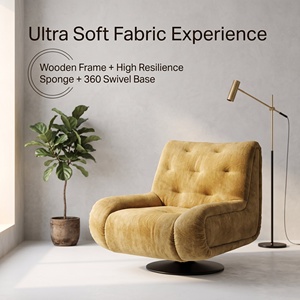
- High-Resilience Sponge Core (Density > 35kg/m³): Tufting requires foam that resists deep compression set. We integrate multi-layered high-resilience virgin polyurethane foam (D35–D45) wrapped in pocket springs and dacron fiber. This ensures the sofa springs back to its sculpted shape after heavy daily use without button pulling or fabric stretching.
- Precision Deep Button Tufting Craftsmanship: Unlike superficial "blind stitching" seen in low-cost alternatives, authentic deep diamond tufting involves hand-folded fabric pleats anchored directly through the internal wooden frame with high-tensile nylon cords. This guarantees that deep tufts retain their structured depth over extended commercial usage.
- UV-Resistant & High Rub-Test Upholstery: New Zealand experiences exceptionally high UV levels due to atmospheric conditions. Upholstery fabrics—ranging from heavy corduroy and rich velvet to top-grain aniline leather—are tested to achieve ISO 105-B02 Grade 4+ lightfastness and over 40,000–50,000 Martindale rub cycles for commercial durability.
| Component |
Standard Export Grade |
Premium NZ Commercial Grade |
NZ Market Advantage |
| Internal Frame |
Mixed softwood (Moisture 15%) |
Kiln-Dried Hardwood (Moisture 8-12%) |
Zero warping, anti-fungal, full MPI Biosecurity compliance. |
| Foam Density |
24kg/m³ recycled foam |
35kg/m³ - 45kg/m³ Pure HR Sponge |
Superior ergonomic support; retains tufted pleats without sagging. |
| Tufting Method |
Machine blind-stitched buttons |
Hand-folded deep diamond frame tufting |
Authentic visual depth, extreme durability under commercial stress. |
| Abrasion Rating |
15,000 Martindale cycles |
50,000+ Martindale cycles |
High resistance to wear in rental apartments, hotels, and family homes. |
| UV Lightfastness |
Grade 2-3 |
Grade 4-5 (ISO 105-B02) |
Prevents fabric fading under intense New Zealand solar radiation. |
Frequently Asked Questions: Importing Tufted Sofas to NZ
Expert answers to common logistical, regulatory, and technical inquiries raised by New Zealand furniture buyers and sourcing teams.
What biosecurity and timber treatment documentation is required for importing sofas into NZ?
The New Zealand Ministry for Primary Industries (MPI) requires all imported wooden furniture to be free of bark, soil, and live insect pests. Our wooden frames undergo thermal heat treatment (HT) or chemical fumigation in accordance with ISPM 15 standards. We supply full Treatment Certificates, Phytosanitary Certificates, and detailed Manufacturer Declaration Documents alongside container bills of lading to ensure seamless customs clearance at Ports of Auckland, Tauranga, or Lyttelton.
Can you manufacture tufted sofas using customer-specified or fire-retardant fabrics?
Yes. For hospitality and commercial office projects in New Zealand, we offer upholstery fabrics treated to meet AS/NZS 3837 and AS/NZS 4088.1 fire safety standards. Additionally, we support Customer’s Own Material (COM) procurement, allowing NZ designers to ship specialized fabrics directly to our facility for final assembly.
How are large modular sectionals and compressed tufted sofas packaged for sea freight?
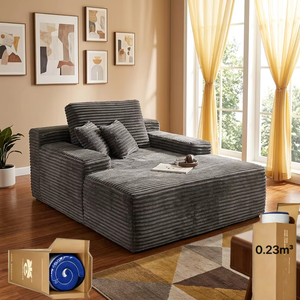
To optimize 40ft HQ container loading rates and reduce per-unit shipping costs to New Zealand, we employ specialized packaging solutions. Soft modular sectionals utilize vacuum compression wrapping protected by heavy-duty 5-ply corrugated outer cartons. Solid Chesterfield models are fortified with reinforced corner guards, bubble wrap, and non-woven fabric covers to guarantee zero pressure marks or frame abrasion during oceanic transit.
What is the typical production lead time and shipping duration to New Zealand ports?
Standard factory production lead time is 25 to 35 days from sample sign-off and deposit receipt. Ocean freight transit times from primary Chinese ports (Ningbo, Shanghai, Shenzhen) to Auckland or Tauranga generally range between 14 to 20 days, allowing New Zealand importers to plan inventory replenishment cycles with high precision.
What is your Minimum Order Quantity (MOQ) for custom private-label sofa lines?
We accommodate both volume retail importers and project-based commercial buyers. Standard retail catalog MOQs start at 5 to 10 sets per model, with mixed-container loading permitted (e.g., combining tufted armchairs, velvet sectionals, and leather Chesterfields within a single 40HQ container).