
SOVAA PT SOVAA KARYA INDONESIA
Engineered for commercial-grade durability, luxury aesthetics, and optimized container load factors.
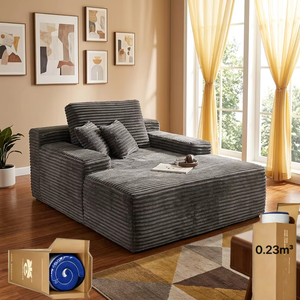
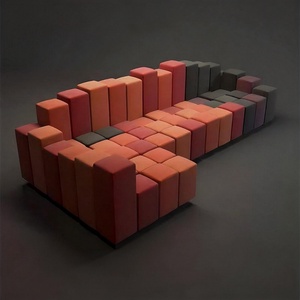
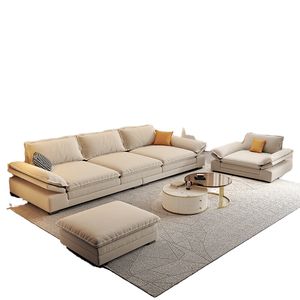
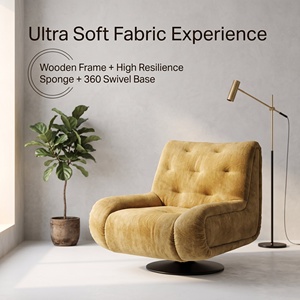
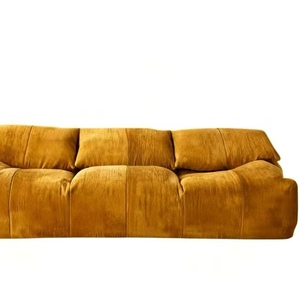
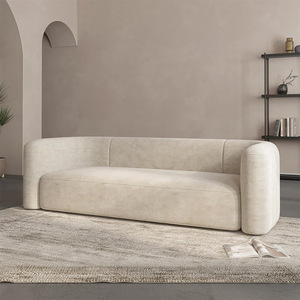
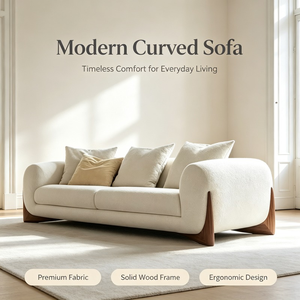
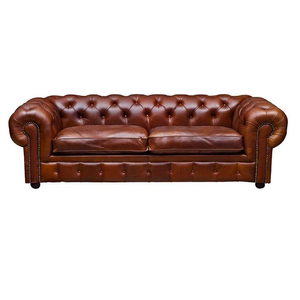
Why structural integrity, internal frame engineering, and tufting precision define profitability for B2B importers.
For international furniture buyers, evaluating a tufted sofa factory extends far beyond surface aesthetics. Tufted upholstery exerts continuous mechanical stress on internal frames. Deep diamond tufting, button pulling, and blind-tufting channel designs demand solid, kiln-dried hardwood framing (typically Russian Larch, Indonesian Hardwood, or FSC-certified Beech) with moisture content strictly controlled between 8% and 12%.
Leading exporters integrate mortise-and-tenon joinery reinforced with corner blocks and heavy-duty steel brackets. Without this structural rigidity, tufted buttons lose tension over time, leading to fabric sagging, creasing, and costly customer returns for retail chains and hospitality operators.
The key driver of comfort longevity in tufted sofas lies in foam matrix layering. Top-tier factories employ high-resilience (HR) pure polyurethane foam ranging from 35 kg/m³ to 45 kg/m³ density for seat cushions, complemented by 28-32 kg/m³ foam for backrest tufting.
Inferior suppliers often use recycled foam or low-density sponge that breaks down under button pressure, causing the iconic Chesterfield or piano-key tufting pattern to collapse within 6 to 12 months. Reputable exporters utilize heavy-duty nylon-core cords and reinforced backing washers to permanently anchor tufted buttons directly to the internal wooden chassis.
Modern global supply chains require OEM/ODM manufacturing partners capable of balancing artisanal hand-craftsmanship with automated precision. From digital fabric cutting CNC machines to computerized frame milling, trusted sofa exporters streamline mass production while preserving hand-pulled deep tufting detailing.
By consolidating product development, raw material procurement, and automated quilting under one roof, OEM facilities minimize lead times and maintain tight dimensional tolerances required for high-density container loading.
How consumer preferences, flat-pack compression engineering, and performance textiles are reshaping global B2B procurement.
Skyrocketing ocean freight rates have forced furniture buyers to seek high cube efficiency. Emerging compression-tufted modular sectionals utilize high-recovery memory foams that compress up to 60% for shipping and expand back to full volume within hours of unboxing. Exporters offering Knock-Down (KD) wooden frames with quick-latch assembly allow 3-seat tufted sofas to fit into standard parcel delivery boxes, revolutionizing e-commerce logistics for online furniture retailers.
While traditional top-grain vintage leather remains a staple for British Chesterfield sofas, international markets are experiencing rapid demand growth for tactile, high-texture upholstery. Heavy-weight rib corduroy, high-rub-count velvet, and plush bouclé with Teflon or Nanotex stain-repellent coatings dominate modern apartment and hospitality orders. Leading sofa factories test fabrics to withstand 50,000 to 100,000 Martindale cycles.
Traditional round button tufting is increasingly complemented by modern linear "Piano Key" tufting, vertical channel tufting, and grid-biscuit patterns. Modular tufted lounge seating systems allow hospitality buyers and commercial space planners to reconfigure sectional layouts effortlessly, adapting hotel lobbies and luxury villas to dynamic social environments.
Global environmental regulations (such as EUDR, US Lacey Act, and CARB Phase 2) require furniture exporters to provide full supply chain transparency. Trusted factories implement FSC-certified timber sourcing, water-based non-toxic adhesives, and CertiPUR-US certified low-emission polyurethane foams to satisfy the strict ESG guidelines of Tier-1 importers.
Integrated product development, dual manufacturing plants, and end-to-end B2B project fulfillment.
Operating dedicated production facilities since 2015, integrated manufacturers like PT Sovaa Karya Indonesia (SOVAA) combine product R&D, raw material sourcing, frame joinery, cushion moulding, and upholstery finishing under a single unified management team. Based in Jakarta with two specialized manufacturing plants, this consolidated setup guarantees strict quality control and seamless communication from concept sketching to final container sealing.
| Specification Parameter | Commercial Contract Grade (Hotels/Resorts) | Volume Retail & E-Commerce Grade | Low-Cost Standard (Market Average) |
|---|---|---|---|
| Frame Construction | Kiln-dried hardwood (Moisture 8-12%) + Steel Reinforcement | Kiln-dried solid wood + Structural Plywood | Air-dried softwood / Unreinforced Chipboard |
| Cushion Foam Density | 40 – 45 kg/m³ High-Resilience (HR) Foam | 32 – 38 kg/m³ Pure Polyurethane Foam | < 24 kg/m³ Recycled / Mixed Foam |
| Tufting Anchor Mechanism | Steel washer & heavy nylon cord anchored to frame | Reinforced canvas backing with high-tension tie | Surface fabric stitch only (High pop-out risk) |
| Fabric Abrasion Rating | > 100,000 Martindale Rubs (Fire-Retardant BS5852) | > 40,000 Martindale Rubs (CAL 117 Compliant) | < 15,000 Martindale Rubs (Non-treated) |
| Warranty & Life Expectancy | 5 to 10 Years Heavy Commercial Use | 3 to 5 Years Domestic Retail Use | 1 Year Limited Warranty |
How top trusted exporters ensure zero-defect shipment across international borders.
Raw timber undergoes automated kiln drying to eliminate moisture variations that cause warping or squeaking in humid export destinations. Computerized CNC routers mill wood components with millimeter precision, creating perfectly matching corner blocks, mortise joints, and sloping armrest contours.
High-tensile sinuous S-springs or cross-woven elastomeric webbing are secured across the frame seating area. Silent plastic clips prevent metal-on-wood friction noises. Heavy-weight felt padding is applied over springs to protect foam layers from internal abrasion.
Master upholsterers hand-pull fabric or top-grain leather into deep button folds. Each fold is individually tailored to maintain identical diamond depth and symmetry across the entire seating surface. Edge piping and double-needle decorative stitching ensure crisp tailored borders.
Finished items undergo ISTA 3A drop testing, cushion fatigue compression cycles, and seam strength testing. For ocean shipment, sofas are wrapped in multi-layer moisture-absorbent foam, heavy-duty cardboard edge protectors, and woven polybags to resist sea humidity.
Direct technical answers regarding factory location, OEM capabilities, MOQ, quality standards, and sample development.
Major manufacturing hubs are established in Indonesia (Jakarta, Central Java), Vietnam, and China. Manufacturers based in Kelapa Gading, Jakarta, Indonesia operate specialized production plants offering competitive tariff structures, sustainable timber access, and seasoned woodworking craftsmanship ideal for global export.
Yes. Leading OEM/ODM sofa factories feature dedicated product engineering teams. Buyers can supply CAD drawings, 3D renderings, or reference photos to develop exclusive custom designs. Integrated factories manage frame construction, fabric sourcing, and prototype sample approval under one roof.
Export sofa factories primarily serve medium to large retail chains, e-commerce furniture brands, wholesale distributors, interior design firms, commercial architects, contract hospitality procurement agencies, and resort/hotel developers.
Reputable sofa exporters sign formal Non-Disclosure Agreements (NDAs). Custom molds, proprietary cushion shapes, and exclusive upholstery patterns developed for a specific customer are cataloged in confidential databases and never sold to competing buyers.
Factories can tailor fabric and foam treatments to comply with regional fire safety regulations including UK BS 5852 Crib 5, USA CAL 117, and NFPA 260, as well as eco-certifications like OEKO-TEX Standard 100 and FSC certified timber.
Prototype samples generally require 2 to 3 weeks for frame development and upholstery tailoring. Full Container Load (FCL) production lead times typically range from 30 to 45 days depending on material availability and order volume.
Buyers can request complete product catalogs and factory audits by contacting the export management team via email ([email protected]) or by utilizing the interactive catalog request link below to connect directly with sales engineers.