
SOVAA PT SOVAA KARYA INDONESIA
Direct Factory OEM/ODM Solutions for Hotel, Commercial, Residential, and Institutional Sourcing Projects
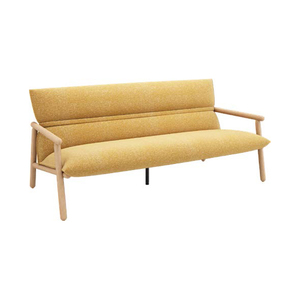
Global furniture procurement has evolved from simple unit-cost arbitrage into a multi-dimensional strategy focused on supply chain resilience, timber moisture stability, compliance, and material engineering. China remains the centerpiece of global furniture production—specifically the Pearl River Delta (Foshan, Shunde, Nanhai) and Yangtze River Delta (Zhejiang, Jiangsu) hubs—while integrated cross-border nodes such as Jakarta and Central Java in Indonesia provide strategic trade tariff options and access to legal teak and rattan resources.
For procurement officers, hotel group FF&E directors, real estate developers, and furniture wholesalers, selecting a tier-1 manufacturing partner requires rigorous technical evaluation. This whitepaper analyzes manufacturing methodologies, wood drying engineering (target Moisture Content 8%–12%), frame joinery stress tolerances, flame-retardant upholstery compliance (CAL 117, BS 5852), and macro procurement strategies for 2025–2030.
Combining design, material engineering, foam density customization, wood seasoning, and structural assembly under a unified quality management system (ISO 9001:2015) reduces product development cycles by up to 35% while eliminating multi-vendor dispute risk for large-scale contract projects.
Structured infrastructure engineered to meet demanding international standards for commercial, hospitality, and high-end residential applications.
We utilize automated computer-controlled dehumidification kilns to bring solid hardwood frames down to a strict 8%–12% equilibrium moisture content (EMC). This prevents warping, joint splitting, and wood checking across varied export destination climates.
Engineered multi-density polyurethane foam layers (up to 45kg/m³ core density) wrapped in dacron fiber provide high compression recovery, passing 100,000+ cycle fatigue testing under BIFMA X5.4 standards without structural sag.
Full capability to implement CA TB117-2013, UK BS 5852 crib 5 flame retardants, low-VOC water-based lacquer coatings, and FSC certified sustainable wood species (Teak, Oak, Beech, Ash) with comprehensive traceability documentation.
Modern computer-numerical-control router technology guarantees sub-millimeter tolerances on mortise-and-tenon joints, corner blocks, and metal subframe integration, maximizing structural shear strength under heavy usage.
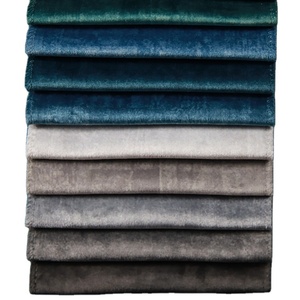
Heavy-weight commercial upholstery textiles featuring double-woven polyester jacquard, stain-resistant nano-coatings, and rub resistance exceeding 50,000 Martindale cycles for high-traffic contract applications.
Proprietary design safeguarding via non-disclosure agreements (NDAs). Exclusive collection tooling, CAD drawings, and custom molds are stored securely and never cross-marketed to competitors.
The table below highlights standard technical benchmarks applied during manufacturing quality control for export-grade furniture across Chinese and Southeast Asian production lines:
| Material / Element | Technical Benchmark Standard | Testing Protocol | Target Application |
|---|---|---|---|
| Solid Hardwood Frames | Kiln-dried Birch, Beech, Teak (MC 8% - 12%) | Digital Resistance Probe | 5-Star Hotel & Commercial Lounge |
| Internal Joinery | Corner Blocked, Double Dowelled, Screwed & Glued | Static Weight Loading (350kg+) | Heavy Contract & Dining Use |
| Cushion Foam Core | High Resilience Polyurethane (35kg/m³ - 45kg/m³) | BIFMA X5.4 Indentation Force Deflection | Executive Sofas & Hotel Lounging |
| Upholstery Fabric (JES Series) | 420GSM 100% Polyester / Fire Resistant Treated | Martindale Rub Test (>50,000 Rubs) | High-Traffic Hospitality & Office |
| Modular Cabinet Panels | E0/E1 Grade CARB Phase 2 MDF or Plywood | Formaldehyde Emission Chamber Test | Custom Kitchens & Wardrobes |
| Metal Sub-Frames | 304 Stainless Steel / Powder-Coated Carbon Steel | Salt Spray Resistance (72 hours) | Modern Executive Desks & Tables |
As global procurement directors evaluate strategic supplier positioning in China and regional satellite bases like Indonesia, three key structural trends define the next decade of commercial furniture manufacturing:
Buyers no longer rely on a single geographical location. Advanced supply chains combine China’s unrivaled hardware, metalworking, and CNC milling ecosystem with Southeast Asian solid wood carving and raw teak supply. This hybrid sourcing strategy mitigates single-region geopolitical risk, optimizes customs duties, and preserves cost efficiencies.
Hospitality developers require localized, boutique designs delivered on tight schedules. Leading OEMs now deploy 3D Parametric CAD/CAM modeling that translates concept sketches directly into CNC machine code within 48 hours. This accelerates sample delivery from standard 30-day windows down to under 12 days.
Environmental Product Declarations (EPD), FSC certification, and non-toxic VOC finishes are mandatory prerequisites for global luxury hotel chains (Marriott, Hilton, IHG). Factories integrating solvent-free UV curing lines and circular wood waste recycling hold a distinct competitive edge in European and North American markets.
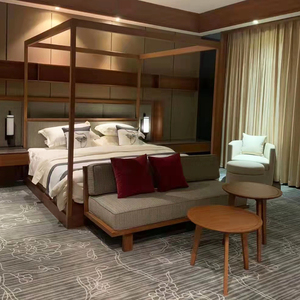
5-Star hotel guestroom casegoods require stringent engineering to withstand continuous commercial use. Wall-mounted headboards, nightstands, and integrated media units utilize moisture-resistant E0 grade plywood substrates bonded with natural wood veneers (American Walnut, White Oak). High-wear touchpoints feature solid wood edge-banding (minimum 2mm thickness) to resist impact damage from luggage and housekeeping operations.
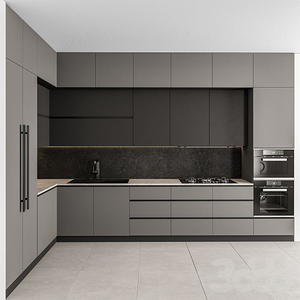
Architectural cabinetry demands structural precision and soft-close hardware integration (Blum or DTC equivalent). Carcasses are manufactured using 18mm high-density melamine-faced chipboard (MFC) or multi-layer marine plywood. Acrylic and lacquered PET door panels undergo automated UV edge-banding, creating a moisture-proof seal vital for tropical and humid coastal climates.
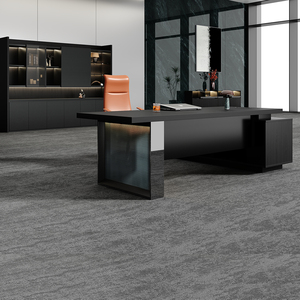
Commercial office furniture—such as the Xidun Series Executive Desk—merges minimalist aesthetics with heavy-duty structural stability. Beveled desk surfaces utilize scratch-resistant thermally fused laminate (TFL) paired with integrated wire management raceways and hidden wireless charging pads. Sub-structures feature heavy-gauge cold-rolled steel legs finished in electrostatic powder coating.
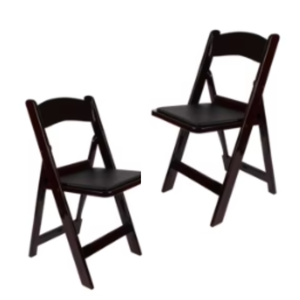
Resin folding chairs and outdoor dining sets require high-impact polypropylene formulations fortified with UV-stabilizer additives (UV-8 rating). Internal structural legs feature tubular steel reinforcers to guarantee a static load capacity of up to 300kg while maintaining lightweight stackability for quick venue event turns.
To ensure zero-defect shipment for overseas containers, our partner factories adhere to a rigorous 5-stage Quality Assurance framework:
Every batch of timber, fabric roll, foam block, and hardware component undergoes Incoming Quality Control. Timber is checked for moisture levels and insect infestation; fabric is tested for color fastness and tear strength.
Before full-scale mass production runs start, a pilot prototype is built, stress-tested, and audited against customer CAD shop drawings. Frame angles and joint alignment are calibrated.
Inspectors monitor white-wood assembly, sanding smoothness (grit progression P180-P320), lacquer coat thickness (microns), and upholstery tensioning at active workstations.
Finished items undergo 100% trial assembly for modular sets. Random sample pull inspections evaluate paint adhesion (Cross-Hatch Tape test) and hardware operating smoothness.
Items are packed in 5-ply corrugated cartons with corner foam protectors, EPE wrap, and wood crate reinforced packaging, passing ISTA 3A international drop shipping tests.
Direct Answers to Critical Sourcing Questions from Global Furniture Buyers & Developers
Connect with our technical engineering team for factory audits, instant shop drawing evaluations, volume price tiers, and complete product catalogs.
Get a Quote