
SOVAA PT SOVAA KARYA INDONESIA
In today's volatile global supply chain environment, identifying a reliable wholesale furniture manufacturer and factory requires looking far beyond basic price-per-unit metrics. Commercial furniture procurement for retail chains, hospitality developments, and enterprise office environments demands stringent quality control tollgates, structural engineering compliance (such as BIFMA, FSC, and CA TB117-2013 fire retardancy), and scalable OEM/ODM operational capabilities.
Drawing upon real-world manufacturing data from PT Sovaa Karya Indonesia—operating two specialized production facilities in Jakarta since 2015—this industry whitepaper delivers an exhaustive analysis of high-demand contract furniture categories, macro procurement trends, manufacturing quality assurance, and technical risk-mitigation strategies for global volume buyers.
Engineered for high-volume retail supply, commercial contract projects, and bespoke OEM/ODM manufacturing specifications.
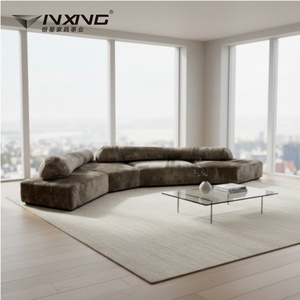
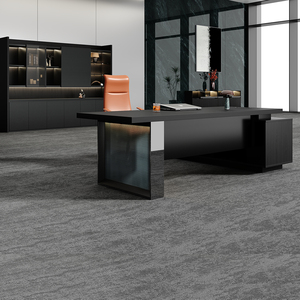
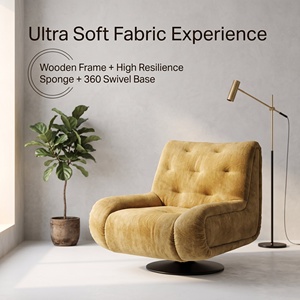
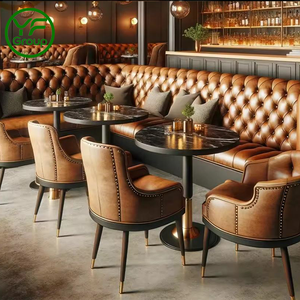
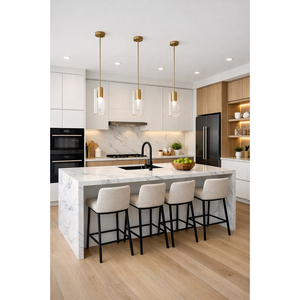
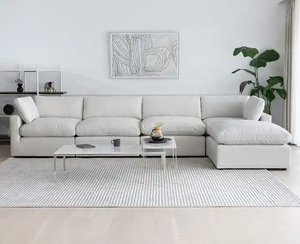
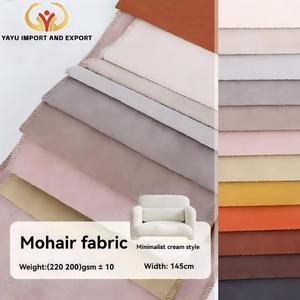
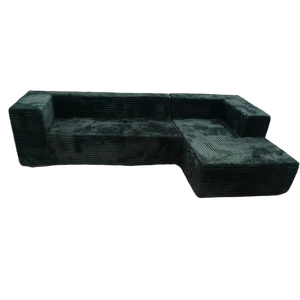
Download our complete manufacturing capabilities guide, full material swatches, and structural engineering certifications.
Why Tier-1 Importers, Commercial Interior Procurement Agencies, and Global Brands Choose Direct Factory Integration.
Product development, raw material sourcing, frame joinery, cushion molding, and upholstery assembly are managed under one centralized operational footprint. Operating two specialized factories in Jakarta, Indonesia, this streamlined setup eliminates sub-contractor markups and guarantees stringent quality control at every phase of assembly.
Every piece of timber is kiln-dried to moisture contents between 8%–12% to prevent warping and cracking in high-humidity or cold destination climates. Load-bearing stress testing, seam strength evaluations, and drop tests are standard protocol prior to export container loading.
Custom designs created for major retail catalog channels or custom luxury resorts remain strictly protected. Non-Disclosure Agreements (NDAs) are routinely executed to safeguard proprietary blueprints, custom dye lots, and exclusive aesthetic silhouettes.
Recognizing that global distributors require flexible specification options to hit competitive retail price points, products can be customized using varied wood grades (Teak, Mahogany, Mindi, or Solid Birch), foam densities, and fabric treatments without compromising structural longevity.
Anticipating Shift Patterns in Commercial Furniture Engineering, Materials, and Aesthetic Paradigms.
High ocean freight volatility has triggered a major design pivot toward high-density compression soft furniture. Advanced polyurethane foam technology now allows heavy-duty sectionals, modular sofas, and lounge chairs to be vacuum-sealed and compressed into compact corrugated boxes. This flat-pack approach boosts container load optimization by up to 250%, radically lowering landed logistics costs for direct-to-consumer (D2C) e-commerce brands and commercial importers.
Rigid rectangular modular seating is rapidly giving way to fluid, semicircular, and asymmetrical curved silhouettes in luxury hospitality and corporate breakout spaces. Products like semicircle Chesterfields and circular curved booth seating foster collaborative human interactions while mirroring natural biophilic forms. Manufacturers capable of precision steam-bending solid timber frames and tailoring complex curved upholstery are gaining significant market share.
Textile technology has evolved beyond basic natural cottons and leathers. Modern commercial buyers heavily prioritize heavy-weight chenille, bouclé, and textured weaves engineered from 100% recycled polyester. These fabrics incorporate nanotechnology-based hydrophobic coatings that repel oil and liquids while passing aggressive friction tests (over 50,000 Martindale cycles) suitable for heavy-use hotel lobbies and dining establishments.
Commercial workspace design increasingly incorporates elements of residential comfort—a movement known as "Rescommercial design." High-back acoustic swivel chairs, modular lounge seating with integrated wireless charging stations, and convertible sofa-bed combinations represent the fastest-growing categories in modern contract procurement.
Mitigating Tariff Risks, Diversifying Sourcing Hubs, and Ensuring Regulatory ESG Compliance.
Sourcing strategies are shifting away from single-region manufacturing dependence. Institutional buyers are rebalancing supply networks toward Southeast Asian manufacturing hubs such as Indonesia, which offers rich timber reserves, skilled hand-upholstery craftspeople, and competitive labor rates.
Sophisticated buyers calculate procurement value based on Total Cost of Acquisition. A slightly cheaper unit price can be swiftly wiped out by poor shipping container cube utilization, structural failures resulting in warranty claims, or non-compliant fire-retardant foam that leads to customs rejections. Partnering with a factory that optimizes carton dimensions and adheres to international testing standards safeguards long-term margins.
Environmental regulations in North America and Europe strictly mandate timber traceability to combat illegal logging. Legitimate Indonesian exporters utilize the SVLK (Sistem Verifikasi Kelestarian Hutan) timber legality verification system, providing international buyers with verifiable proof of sustainable forestry practices required for smooth customs clearance.
Agile supply chains require low-friction trial orders for new product lines. Top furniture factories support mixed-container loading, allowing buyers to combine multiple SKUs—such as executive office desks, lounge chairs, and modular sofas—into a single 40ft High Cube container to minimize inventory holding costs.
Direct technical answers to key questions asked by corporate sourcing managers and procurement directors.
Standard factory production lead times range between 35 to 50 days following final sample sign-off and deposit receipt. Initial prototype development and shop-drawing approvals generally require 10 to 14 days, depending on frame complexity and material availability.
Commercial-grade frames utilize solid kiln-dried hardwoods reinforced with corner blocks, glued dowel joints, and heavy-duty steel brackets. Internal springs (Sinuous wire or Pocket coils) are paired with high-density resilient polyurethane foam (minimum 35kg/m³–45kg/m³) to ensure structural integrity over extended usage cycles.
Yes. Fabrics, interliners, and polyurethane foam formulations can be engineered to pass specific regional flammability codes, including California Technical Bulletin 117-2013 for the US market and British Standard BS5852 Crib 5 for UK hospitality projects.
All custom product specifications are managed under strict confidentiality agreements. Unique patterns, mold dies, and customized hardware components produced for exclusive contract clients remain their sole intellectual property and are never offered in general catalog sales.
We support 20ft GP, 40ft GP, and 40ft HQ container shipments. For new B2B clients testing market acceptance, we provide mixed-SKU loading options so multiple seating and cabinetry lines can be shipped within a single container.
Connect directly with our engineering team in Jakarta to receive full material specs, factory direct pricing structures, and master product catalogs.