
SOVAA PT SOVAA KARYA INDONESIA
Engineered for global wholesale distributors, hospitality developers, modern retail chains, and enterprise project procurements.
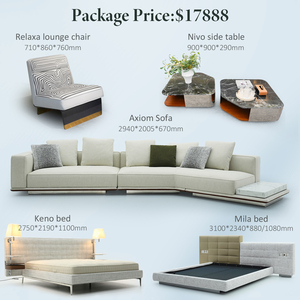
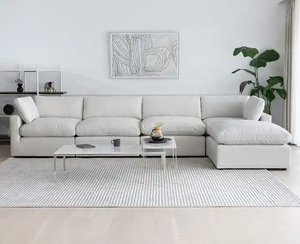
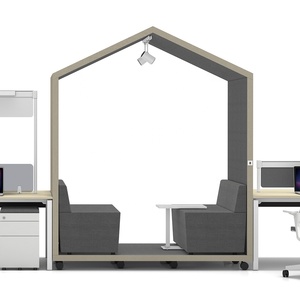
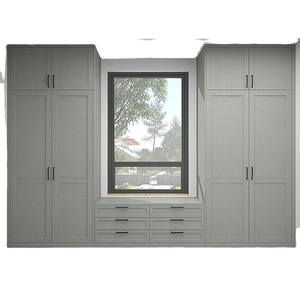
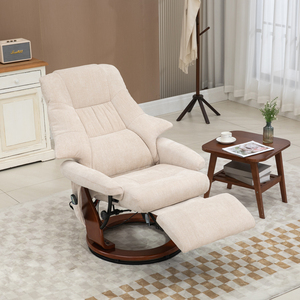
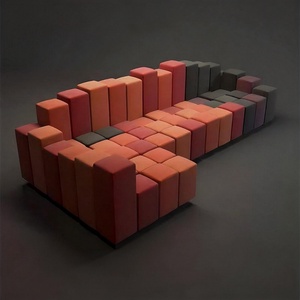
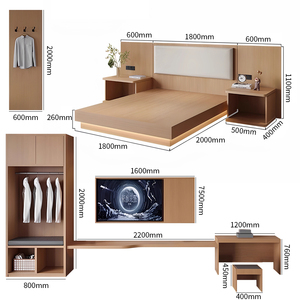
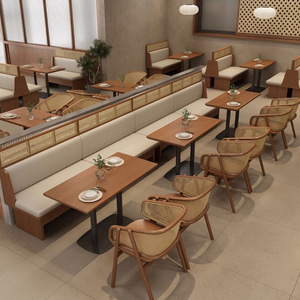
Why leading global retailers, architects, and hospitality contract procurement groups choose our direct-factory engineering system.
By uniting product R&D, timber seasoning, metal fabrication, high-precision upholstery cutting, and final assembly under one roof, we minimize supply chain latency, eliminate agent markups, and maintain total quality traceability across 2 operational manufacturing plants.
We treat client design specifications, CAD drawings, and proprietary material choices with complete confidentiality. Proprietary molds and custom product designs created for OEM/ODM brand partners are never shared, white-labeled, or repurposed for third-party commercial sales.
Every commercial furniture line undergoes structural integrity testing aligned with ANSI/BIFMA X5.1 and X5.4 contract standards. Fabrics and cushioning foams meet rigorous fire retardant benchmarks including UK BS5852 Crib 5 and US CAL 117 fire safety codes.
Strategic Value Insight: Direct factory partnerships in China lower capital expenditure by 30% to 45% compared to Western regional suppliers, while offering custom engineering versatility tailored specifically for high-traffic commercial environments.
The global commercial furniture market has undergone a dramatic structural evolution over the past decade. Enterprise buyers—ranging from multinational hotel chains (Marriott, Hilton, IHG) and commercial real estate developers to high-volume office furniture wholesalers—increasingly rely on modern Chinese manufacturing hubs. The concentration of advanced manufacturing ecosystems in regions like Foshan (Guangdong), Anji (Zhejiang), and Suzhou (Jiangsu) offers unparalleled supply chain maturity, advanced raw material access, and rapid prototyping turnaround times.
When selecting among top Chinese commercial furniture manufacturers and factories, successful international procurement teams look beyond basic unit price. A comprehensive evaluation framework prioritizes structural engineering integrity, material transparency, environmental certifications (FSC, GREENGUARD, CARB P2), and factory throughput scalability.
Commercial spatial design is pivoting toward hyper-flexibility, wellness-focused ergonomics, and verifiable circular sustainability. Strategic buyers must align their 3-to-5-year procurement blueprints with the following structural industry shifts:
Modern open-plan corporate headquarters and collaborative co-working hubs require acoustic management solutions. Contract seating manufacturers are integrating sound-dampening acoustic felt, high-density polyester fiber cores, and modular connection hardware into lounge seating, meeting pods, and high-back sofa booths. Modular designs allow facility managers to reconfigure collaborative zones seamlessly without structural construction costs.
Decarbonization mandates across North America and Europe are transforming furniture material bills of materials (BOM). Top-tier Chinese factories now offer FSC-certified kiln-dried solid timber frames, water-based non-toxic polyurethane lacquers, zero-formaldehyde E0/CARB P2 engineered wood panels, and 100% post-consumer recycled PET upholstery fabrics. Procurement RFPs now routinely demand Life Cycle Assessment (LCA) data and Environmental Product Declarations (EPDs).
Commercial furniture for hospitality lobbies, airport lounges, and executive conference rooms is no longer purely static cabinetry or seating. The market demands seamless integration of wireless Qi charging pads, flush-mounted universal AC/USB-C power hubs, capacitive touch controls, and under-mount cable management channels. Leading OEMs engineer internal metal conduit raceways to meet global electrical safety standards (UL, CE, PSE).
While genuine top-grain aniline leather retains its dominance in luxury executive suites, high-traffic commercial environments (such as healthcare lounges, hotel guestrooms, and dining establishments) are shifting toward engineered microfiber textiles and silicone-based vegan leathers. These advanced materials deliver over 100,000 double-rubs on the Wyzenbeek test scale, offer stain-resistant cleanability with diluted bleach solutions, and resist hydrolysis for up to 10 years.
China's commercial furniture manufacturing infrastructure has transitioned from traditional manual carpentry to Industry 4.0 automated production systems. Key technology deployments across top-tier plants include:
Technical and operational answers for professional sourcing directors, project managers, and enterprise buyers.
Whether you are engineering a custom 5-star hotel fit-out, sourcing modular office lounge seating, or developing a proprietary retail furniture line, our direct factory team delivers precision engineering under one roof.