
SOVAA PT SOVAA KARYA INDONESIA
Precision-engineered, CE-compliant hospitality booth sets, chairs, and tables designed for high-traffic environments.
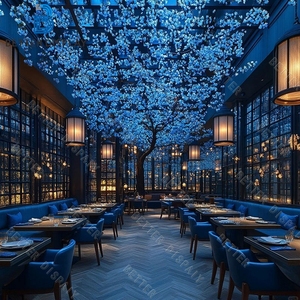
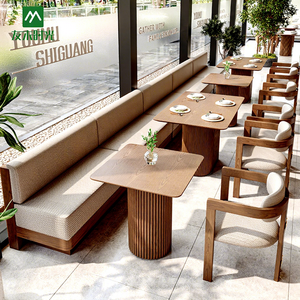
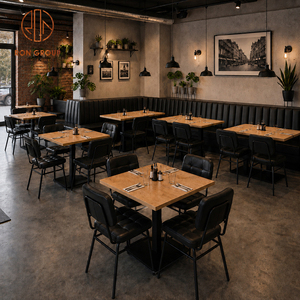
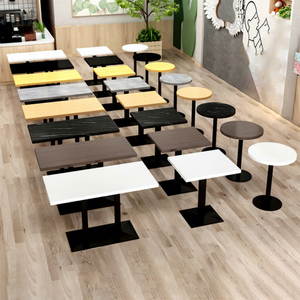
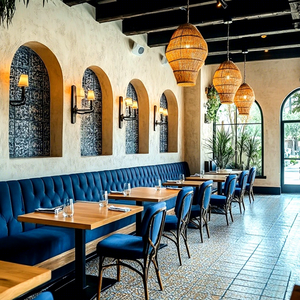
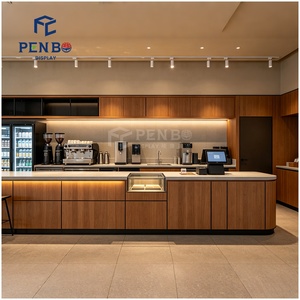
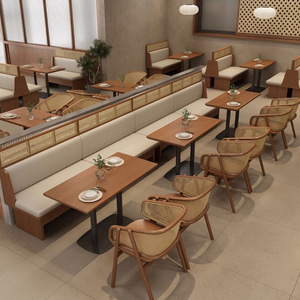
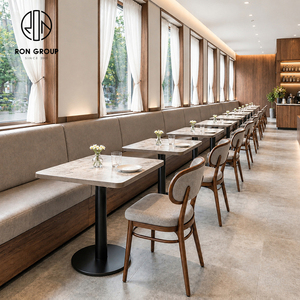
In the contemporary B2B hospitality and contract furniture sectors, selecting a CE certified cafe furniture supplier is no longer merely a logistical decision—it is a core risk-mitigation strategy and a prerequisite for operational scalability. Commercial dining furniture endures extreme cycle fatigue, high structural load pressures, spill risks, and aggressive sanitization protocols far exceeding residential specifications. Procuring non-compliant or under-engineered furniture inevitably results in premature structural failure, heightened liability risks, customer dissatisfaction, and elevated total cost of ownership (TCO).
This industry whitepaper evaluates the structural engineering criteria, international standard compliance frameworks (including EN 16139 and BS 5852), material composition dynamics, and long-term procurement trajectories required by enterprise buyers, architects, hotel developers, and chain cafe operators worldwide.
The CE (Conformité Européenne) mark on contract furniture signifies adherence to stringent European health, safety, and environmental protection standards. Unlike general consumer goods, commercial cafe seating and table systems are subject to strict multi-axial stress testing to qualify for commercial compliance under standard framework EN 16139:2013 (Non-domestic seating - Requirements for safety, strength, and durability).
Seating structures must endure fatigue testing exceeding 200,000 seat-back cycles, static load pressures up to 2,000 N, and drop impact tests simulating extreme daily commercial usage without frame distortion or joint detachment.
Upholstered booth seating and foam cushions must satisfy ignition resistance standards BS 5852 (Crib 5) and California TB 117-2013. Flame-retardant barriers must operate without emitting toxic volatile organic compounds (VOCs).
All timber elements must be responsibly harvested (FSC/PEFC certified), treated with low-formaldehyde adhesives (E0/E1 grade), and comply with REACH regulations concerning heavy metal and chemical migration restrictions.
Selecting commercial furniture requires an understanding of how raw materials interact with daily environmental factors such as humidity, foot traffic, heavy weight loads, and cleaning agents. Commercial cafe seating requires engineered joinery, high-density foam cores, and heavy-duty textiles.
For high-traffic restaurant booths and dining armchairs, seasoned kiln-dried hardwood (such as Indonesian Teak, Beech, or Oak with a moisture content controlled at 8-12%) provides superior screw-holding power and flexing resistance. Mortise-and-tenon joints reinforced with corner blocks and acoustic dampening fasteners prevent squeaking and wobble under continuous commercial use.
Residential furniture relies on low-density foam (20–25 kg/m³) that sags within months of continuous seating. CE-certified commercial booth seating employs multi-layer cold-cured polyurethane foam featuring densities between 45 kg/m³ to 60 kg/m³. Upholstery fabrics are evaluated using the Martindale Rub Test; commercial spaces demand textiles rated at minimum 50,000 to 100,000 double rubs, utilizing stain-repellent, anti-microbial, and UV-stabilized coatings.
Table surfaces endure direct thermal shock, acid exposure from citrus and coffee stains, and constant abrasion. Commercial cafes deploy natural marble with nano-sealants, solid hardwoods finished with acid-resistant polyurethane lacquers, or compact high-pressure laminates (HPL) backed with anti-warping counter balance substrates.
Maximizing revenue per square foot in a commercial food and beverage environment requires balancing spatial flow, seating capacity, and customer dining comfort. Below are primary configuration archetypes engineered for global cafe franchises and boutique dining establishments:
As commercial real estate costs fluctuate and consumer expectations evolve, commercial furniture procurement is shifting toward several core industry trends:
As an industry-leading B2B sofa manufacturer and custom upholstery factory operating out of Jakarta, Indonesia, PT Sovaa Karya Indonesia has delivered high-performance commercial seating solutions to global retailers, wholesalers, architects, and hospitality contract partners since 2015.
Operating two manufacturing facilities, our production setup seamlessly processes raw timber processing, metal fabrication, foam shaping, CNC carving, and hand upholstery under one roof.
We work directly from architectural CAD drawings, material schedules, or prototype sketches to develop custom collections tailored precisely to your brand identity and budget target.
Every unique product developed for our corporate B2B clients is strictly protected. Your custom moulds, framing blueprints, and finish formulations remain exclusive to your brand.
Our integrated supply chain combines premium Indonesian hardwoods, skilled craftsmanship, certified fire-retardant foams, and international surface treatments to ensure that every furniture piece leaving our factory floors complies with rigorous international quality standards.
Key technical and procurement answers for enterprise buyers and interior architects.